Learning ASL can feel overwhelming — where do you even start, the alphabet or actual signs? This 30-day plan gives you a simple order: alphabet first, then essential signs, then greetings and introductions, then the finer points that make your signing look natural. Just 10–15 minutes a day. You won't be fluent in a month, but you'll have a genuine working foundation.
Week 1: The alphabet — fingerspell your name
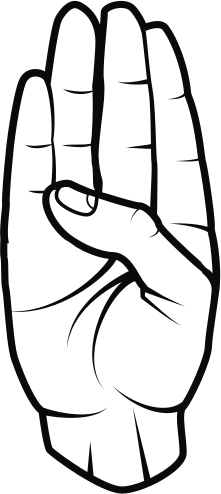
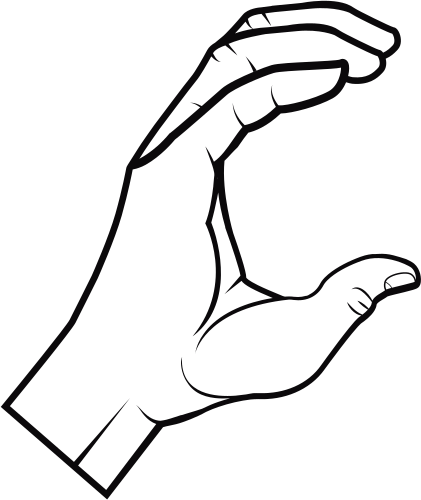
Start with the one-handed ASL manual alphabet. Learn each letter's handshape, then put them together to spell your name — it's the single most useful skill for a beginner, and knowing the letters means you can spell any word you don't know the sign for yet.
- Learn the alphabet in chunks (A–G, H–N, O–U, V–Z) using our alphabet reference.
- Follow the step-by-step guide to fingerspell your name in ASL — including the J and Z motion letters.
- Practise spelling real words, not random letter strings — your brain learns patterns faster.

Week 2: Your first 15 essential signs
Now move from letters to word-level signs — actual vocabulary you can use. Focus on high-frequency words you'll reach for constantly: hello, thank you, please, sorry, yes, no and goodbye. Fifteen signs you know cold beats fifty you half-remember.
- Work through our guide to essential ASL signs for beginners.
- Look up and drill each sign in the ASL dictionary until you can produce it without thinking.
- Say a simple sentence's worth of signs in sequence — stringing signs together is a new skill.
Week 3: Greetings and introductions
Week 3 is about your first real conversations: greeting someone and introducing yourself. Learn the standard greetings — including good morning — and practise a short self-introduction: your name (fingerspelled, from week 1), where you're from, that you're learning ASL.
- Study common ASL greetings and rehearse them as exchanges, not isolated signs.
- Build your introduction with our guide to introducing yourself in ASL.
- Practise the whole greeting-and-introduction flow out loud (silently) until it's smooth.
Week 4: Motion letters, facial expressions, and your daily routine
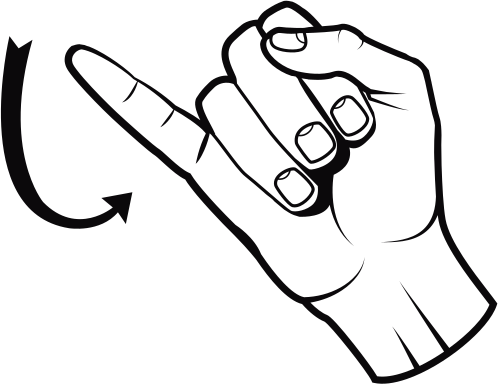
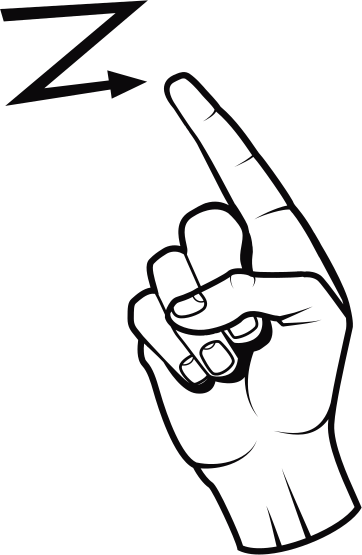
The final week polishes what makes signing look natural rather than robotic. Review the motion letters (J and Z are the ones beginners most often sign wrong), add facial expressions — which are grammar in sign language, not decoration — and lock in a sustainable daily routine with our fingerspelling practice tips.
- 10–15 minutes daily: 5 minutes fingerspelling drills, 5 minutes new signs, 5 minutes review.
- Film yourself signing and compare with the dictionary — a mirror or camera catches what you can't feel.
- Revisit everything from weeks 1–3: spaced repetition beats cramming.
Daily practice tips that actually work
- Same time every day — a habit beats motivation.
- Receptive practice matters too: watch signers and try to read their signs, not just produce your own.
- Learn signs in context (greetings together, polite words together) rather than at random.
- Keep a short list of "signs I'm shaky on" and review it first each session.
What comes after day 30
Be honest with yourself: thirty days gives you a real foundation — the alphabet, essential signs, greetings and introductions — but not fluency. Fluency takes months to years of regular use. The most important next step is finding a Deaf instructor or a local Deaf community to learn with: they catch the mistakes you can't see yourself, teach you natural rhythm and expression, and turn practice into real conversation.
Frequently asked questions
- How much time should I practise each day?
- About 10–15 minutes of focused daily practice beats an hour once a week. Short, regular sessions build muscle memory for handshapes and help you remember signs — consistency matters far more than marathon sessions.
- Should I learn the alphabet before learning signs?
- Yes — the alphabet comes first. Fingerspelling your name is the most useful single skill you can start with, and knowing your letters lets you spell any word you don't know the sign for yet. Start with the alphabet in week 1, then layer in word-level signs.
- How many signs should a beginner learn in 30 days?
- Aim for a solid, usable core rather than a big number: the alphabet, a dozen or two everyday signs, and basic greetings and introductions. Deeply learning 15–20 signs you can actually use in conversation beats half-knowing 100.
- When should I start learning from a Deaf instructor?
- As early as you can — ideally within your first month or two. Online guides get you started, but a Deaf instructor catches mistakes you can't see yourself, teaches natural rhythm and facial expression, and connects you with the Deaf community.
- Can I become fluent in ASL in 30 days?
- No — and no honest plan will claim that. Thirty days of daily practice gets you the alphabet, essential signs and basic introductions: a real, working foundation. Fluency takes months to years of regular use, ideally with Deaf signers.
- Is it okay to learn ASL and BSL at the same time?
- Not as a beginner. ASL and BSL are mutually unintelligible, separate languages — learning both at once doubles the confusion. Pick the language used by the Deaf community where you'll actually be signing and give it your full attention.
- How do I find a Deaf instructor near me?
- Start with your local Deaf association or community centre — many run beginner signing classes taught by Deaf instructors. Community colleges and adult-education programmes often offer them too, and there are online group classes if nothing is available locally. Prioritise instructors who are Deaf themselves, since they teach the language as it's actually used.
- What if I need BSL instead of ASL?
- Then start with BSL from day one — don't learn ASL first as a stepping stone. This site covers both: begin with our guide to fingerspelling your name in BSL and the two-handed BSL alphabet, then build the same weekly structure around BSL signs and greetings.
- Is ASL hard to learn?
- It's moderately difficult — comparable to learning any new language. The good news: there's no spelling or pronunciation to wrestle with, and the alphabet gives you a usable skill in week one. The challenge is that ASL grammar works differently from English, so the key is consistent daily practice rather than raw talent.
- How long does it take to learn ASL?
- There's no fixed timeline, but realistic expectations help: a few months of regular study gets most learners through basic conversation — introductions, everyday signs, simple exchanges. Comfortable fluency typically takes a year or more of ongoing practice, especially with Deaf signers. Anyone promising fluency in weeks is selling something.
- What are the best free resources to learn ASL?
- Start with free online sign dictionaries that show video demos of each sign (like this site's dictionary), an alphabet reference for fingerspelling, and structured beginner guides like this roadmap. For feedback you can't get from a screen, look for community classes taught by Deaf instructors — many are free or low-cost.
- Should I learn ASL online or take an in-person class?
- Online resources are the best way to start — they're free, always available, and let you drill the alphabet and basic signs at your own pace. An in-person class with a Deaf instructor is the best way to continue: it gives you live feedback, real conversation practice, and a connection to the Deaf community. Do both if you can.
Keep learning
- How to fingerspell your name in ASL — your week 1 starting point.
- Essential ASL signs for beginners — your week 2 vocabulary list.
- How to sign "How are you?" + 10 everyday ASL & BSL phrases — everyday phrases for your first real conversations.
- ASL numbers 0–10 — count on your fingers, a core beginner skill.
- ASL & BSL signs dictionaries — look up and drill every sign in this plan.